



Updated December 11, 2025
There’s a reason you’re not sitting on a yacht right now: winning in poker is tough. Even with the right blend of “rungood”, opportunity, and talent, success takes a lot of time, motivation, and energy, something most ordinary folk aren’t willing to invest.
Some people are always looking for a shortcut. Whether it’s tampering with a cricket ball, match fixing, or shoplifting from the supermarket (Hey! It was once, and it was an accident, OK?), these people will do whatever they can to cheat the system.
With cold, hard cash on the line, poker tables aren’t immune from these shenanigans. Reputable card rooms do their utmost to protect players from cheats; a little vigilance in poker games provides a useful first line of defence.
Here are some of the ways people cheat and the tell-tale signs that can help you spot them.
1. Botting Software

Botting is a common way to cheat at online tables, especially as computer power increases and bots improve. While the idea of having a computer play for you might seem appealing, botting is against every poker site’s T&Cs.
Bots differ in complexity. High-end bots like Pluribus and Libratus are formidable opponents that make mincemeat of the best players in the world, but they require a supercomputer to run.
Weaker bots are far easier to beat and can’t adapt to individual players, which means smart players can exploit imperfections in their code.
Signs of a bot:
- Unrealistically long sessions across many tables.
- Playing tendencies that differ from the average population.
- Mechanical, “boring” play.
Bots can often operate as part of a team known as a bot ring. Keep an eye out for the following:
- Groups of players with almost identical HUD stats.
- Players joining tables or sitting out at the same time.
2. Real-Time Assistance (RTA)

As poker moves towards GTO poker, some cheats have turned to real-time assistance (RTA). This method involves sitting with a solver open on a separate device and copying its instructions as you play.
Thankfully, solver-driven play is very unhuman-like, and suspicious activity is usually flagged by a site’s security team or by players who notice bizarre, eccentric, but profitable trends.
Signs someone is using RTA:
- The poker cheater does random, inhuman things.
- The cheating player makes basic errors in small pots but plays perfectly in big pots.
- The cheater plays significantly weaker in live events.
3. Colluding
Colluding is the kind of cheating you’ll see in a lot of poker movies. It involves a group of players working together to beat an unsuspecting victim.
They can bully another player through coordinated aggression or share hole-card information, giving them a massive advantage in key decisions.
Colluding is relatively straightforward online; a quick phone call is all it takes. Though it may fly under the radar at first, strong security teams are usually able to spot collaborative behaviour.
What to look for in collusion:
- Groups of players who always play together.
- Players who sit out at the same time.
- Players who frequently enter pots together but rarely clash in big pots.
- Illogical play between the suspected players when heads-up.
- Soft play between two or more players.
4. Hole-Card Cheats

Poker is an easy game when you know what your opponent has, so cheats who manage to see your hole cards are dangerous. Though pulling this off is much more complicated than Hollywood suggests.
In live poker games, cheats mark cards or position themselves to peek at another player’s hand. There have also been scandals involving players allegedly receiving real-time hole-card information from someone with access to otherwise delayed livestreams.
Robbi Lew was accused of this after a strange Jack-high call a few years ago versus a poker bluff. But in reality, this kind of cheating is rare, especially online.
Still, it can happen in the following circumstances:
- A disgruntled employee with access shares information with an accomplice.
- A computer virus or trojan on your device sends your hole-card data to a hacker.
- Someone posing as a friend or coach requests screen-sharing and secretly exploits the information.
How to spot this kind of cheater:
- Opponents who seem clairvoyant and make outrageous hero calls.
- Anyone unusually eager to screen-share while you play, even “coaches”, should be vetted.
- People who shift around or stand up as if trying to peek at your cards in a casino.
5. Card Mechanics
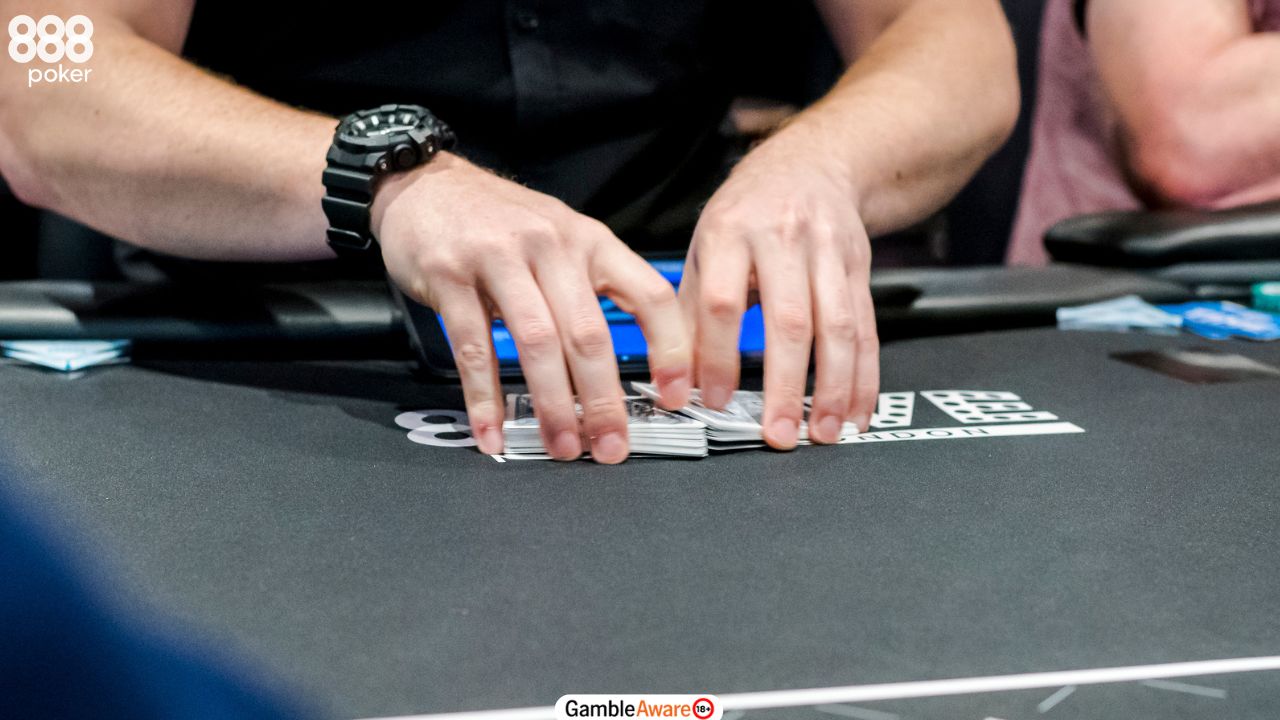
A card mechanic is someone with an exceptional ability to manipulate a deck. An expert mechanic knows where every card is at all times and can control who gets what.
The scary thing is that mechanics don’t just use information; they can engineer coolers that are guaranteed to win.
They are so talented that the real question isn’t why they cheat, but why they don’t turn those impressive skills into something more respectable.
If you’ve seen Rounders, you’ll have seen Worm using card-mechanic techniques.
Mechanics need to touch the deck physically, so in casinos, you’re protected by impartial dealers.
Outside casinos, look for the following:
- A player who consistently ends up on the right side of coolers while dealing.
- A friend who wins unusually often when a specific person deals.
- Fancy, flashy, or suspiciously dextrous shuffling techniques.
- Someone who appears to deal from the bottom of the deck.
6. Angle Shooting
Angle shooting describes actions that give someone an unfair advantage. The tricky thing is that angle shooting often falls within the rules, meaning it’s not technically cheating, just highly unethical.
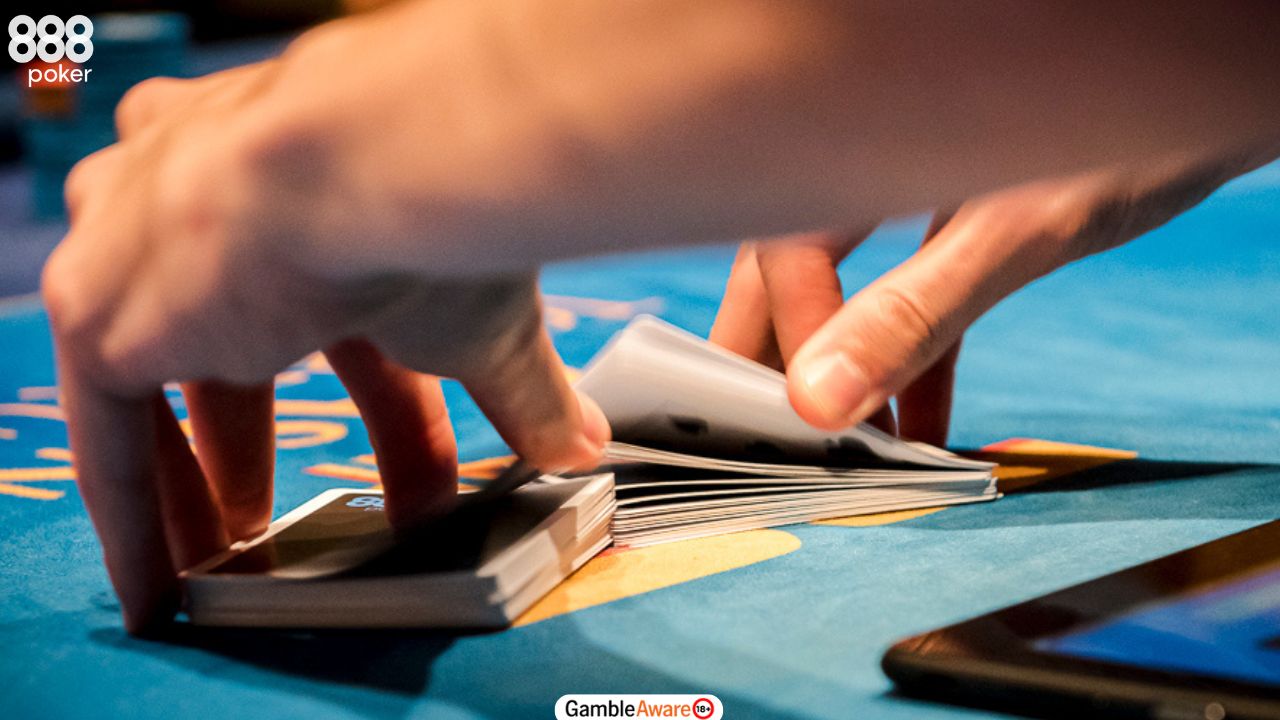
Examples include stacking chips deceptively, hiding big chips behind smaller ones to disguise a bet size, or stalling unnecessarily to annoy opponents into tilting.
It’s harder to angle shoot online, but still possible on some sites with disconnection protection. This feature protects players with poor internet connections.
But cheaters intentionally abuse disconnect features during a tough spot to force a showdown without risking chips.
A player is likely angle shooting if they are doing the following:
- Repeatedly act out of turn in live types of poker games.
- String bet or hide significant chips behind smaller ones to make bets appear smaller.
- Deliberately slowroll to tilt opponents (OK, fine, it’s fun to do this to your friends sometimes).
Be Vigilant
There are many other ways to cheat at a poker table, but it’s essential to remember that cheating is rare.
The penalties for cheating in poker are severe, and modern poker operators invest heavily in game integrity. Nonetheless, staying vigilant is vital.
In the words of Ron Burgundy, “Keep your head on a swivel.” If you see anything suspicious, don’t hesitate to notify the website or cardroom manager.
Stay safe and run good!
